Diabetes
Travel Kit

Traveling with Type 1 Diabetes means constantly juggling supplies and clinical clutter. The Diabetes Travel Kit redesigns this daily routine into a compact ecosystem built for life on the move.

Bachelor Project | 9. Semester
Solidworks, Keyshot, AI (Viscom, Gemini)
6 Months: 3 Research, 1 Concept, 2 Design
Pain Points

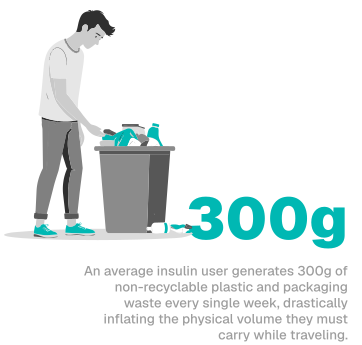
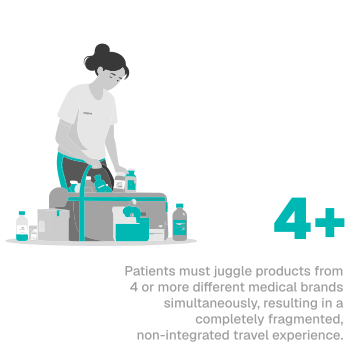
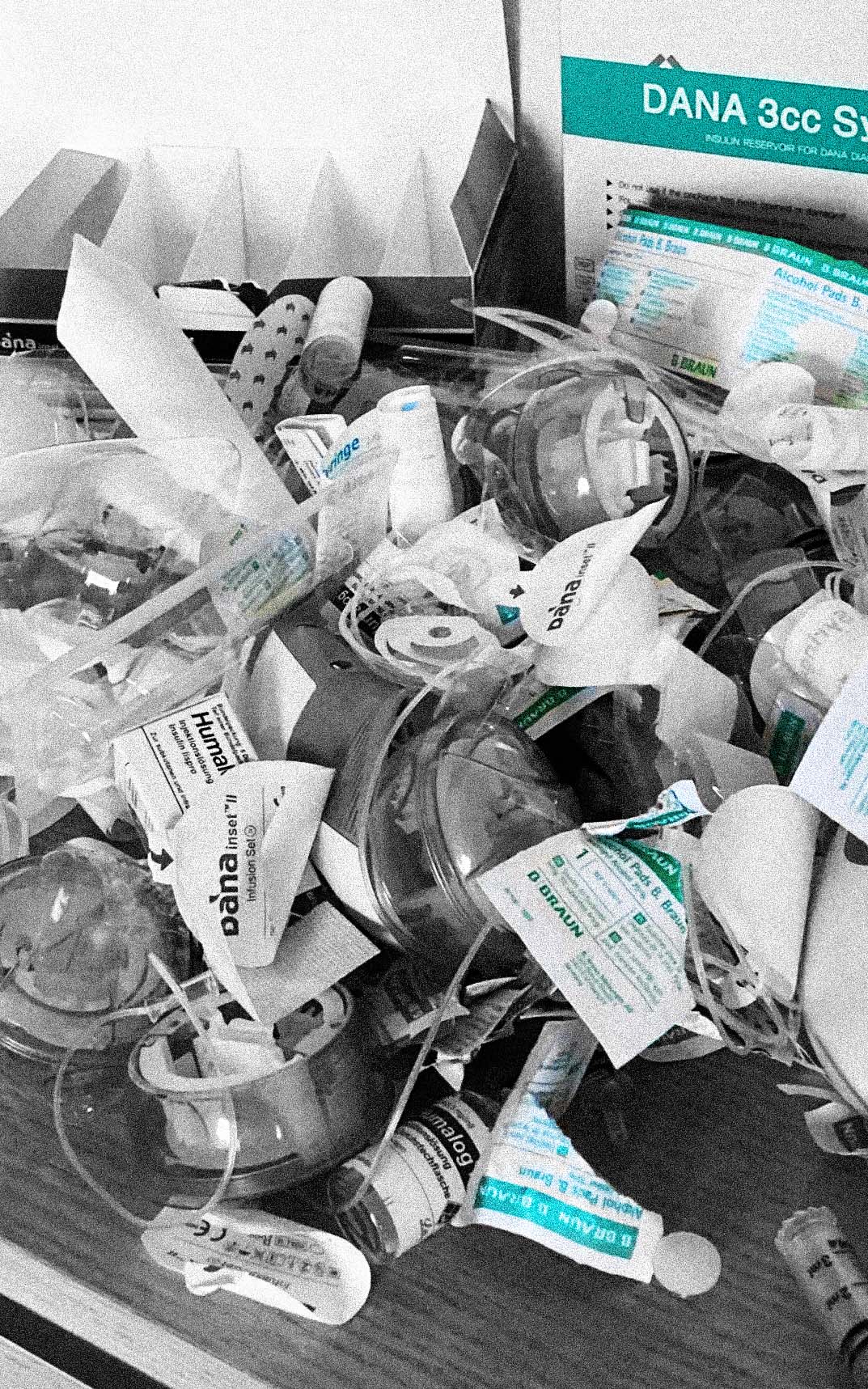
Managing insulin dependent diabetes on the move is physically burdensome, stigmatizing, and deeply fragmented.

Current medical gear forces you to turn a public tray table into an exposed, clinical operating room.

Traveling light is never an option. While others pack just a carry on bag, diabetics pack a portable life support system.

Diabetics don’t pack light, they carry a fragile, stigmatizing pharmacy just to stay safe while on the move.

200+ Pages of In-Depth Research

Through field research and user journey mapping, my Bachelor’s thesis distilled over 100 design potentials from daily insulin therapy. Full research paper available upon request.

From Abstract Potentials to Tangible Ideas

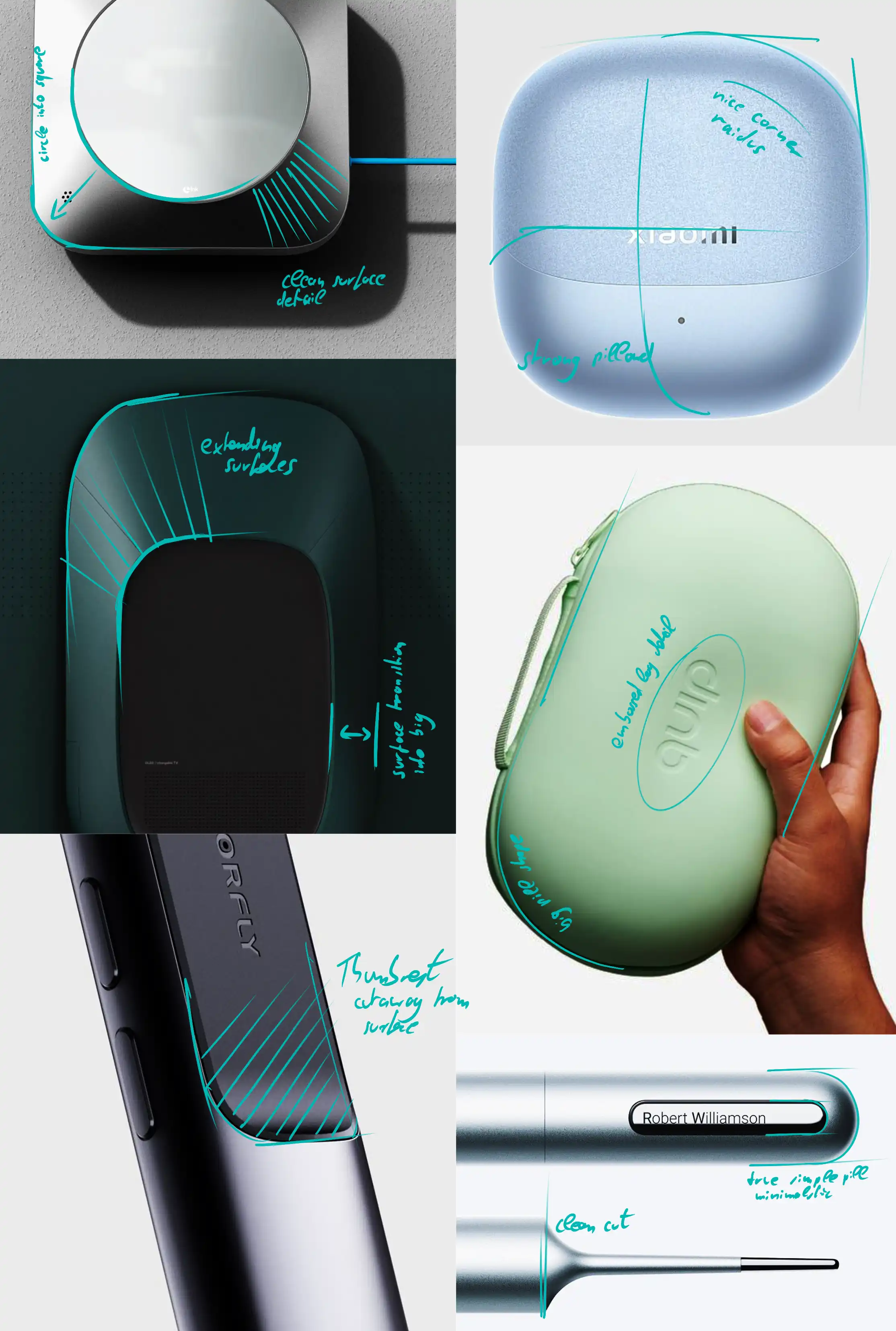
Rapid sketching helps me test ideas quickly and get them out of my head. Putting rough thoughts on paper makes it easy to compare directions, discuss options with others, and see what works before moving into CAD.

My design process starts with exploring form languages and curating moodboards to define an aesthetic direction. Once the tone is set, I move into sketching to translate those cues into concrete product concepts. After that, the work becomes a steady back and forth between sketching, rough mockups, and refinement.

Design Is Never an One Shot Process

The first idea is rarely the best one. Exploring different form studies in CAD and evaluating what works is a lengthy journey. Finding the right direction usually means leaving dozens of discarded concepts behind, but that iteration is what makes the final design solid.

Visualization is an essential part of the design story. For this case study, I explored AI tools to generate contextual environments, lifestyle scenes, and short motion clips. The physical product remains strictly CAD built and rendered in KeyShot. Generative tools were used only to build the narrative around the kit.

FLOW mini
Complete and Independent

Blood glucose monitoring

Blood glucose monitoring is the essential first step in every insulin therapy routine. In conventional setups, testing blood sugar takes up to fifteen individual actions, from unpacking sterile lancets and handling loose strips to manual blood application. This fragmented sequence makes testing on the go cumbersome, and prone to error.

FLOW mini integrates lancets and test strips into a 16-measurement internal magazine. Users simply place their finger into the recess for automatic, one-step lancing and blood glucose measurement.

Insulin Pen

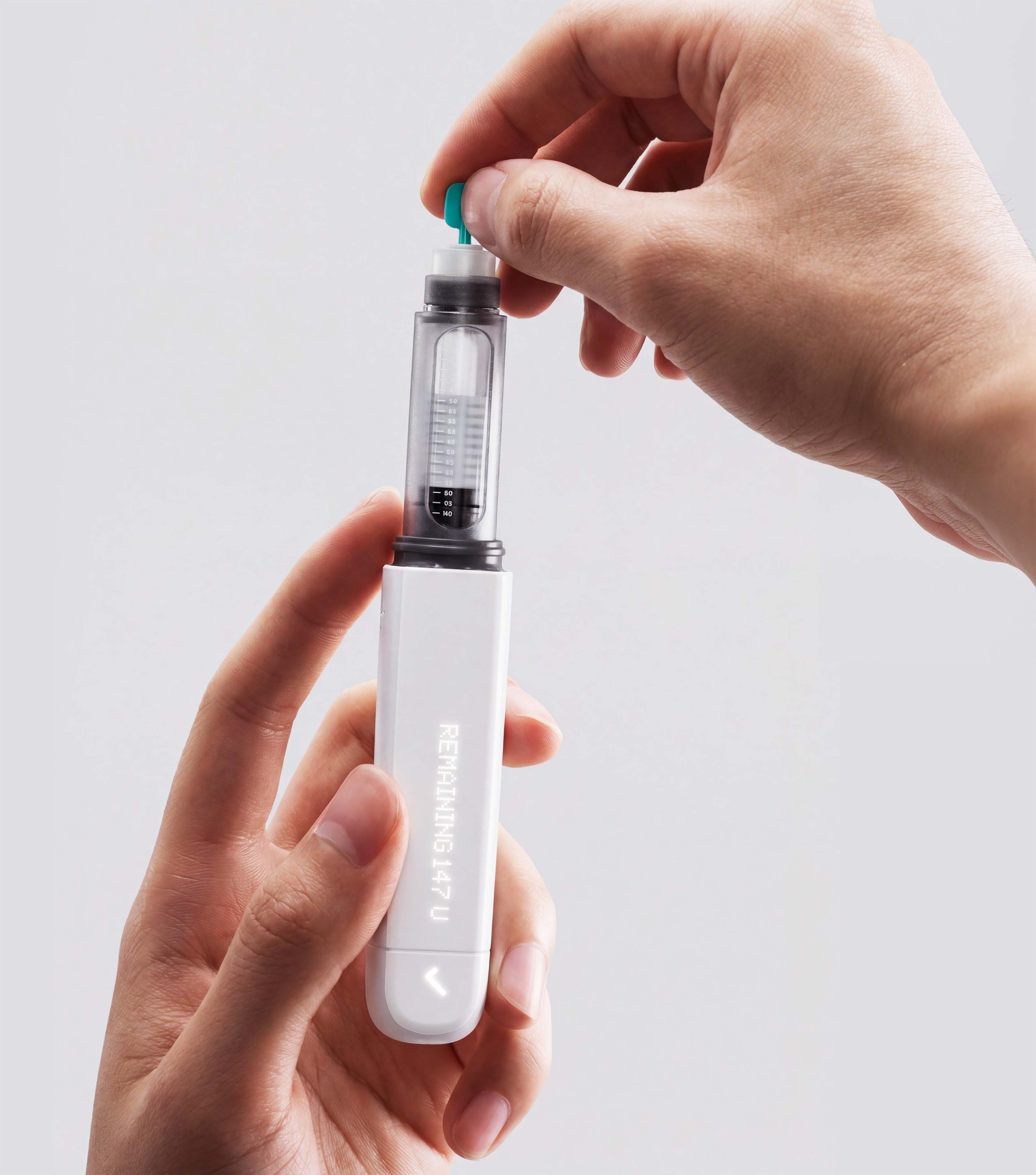
The pen deliberately breaks away from clinical syringe aesthetics, taking inspiration from modern consumer technology instead. Its flattened, softly rounded profile improves grip ergonomics and prevents the pen from rolling off flat surfaces.

The high contrast digital display is a central feature. Both high and low blood sugar levels regularly cause blurred vision, turning conventional dose windows into a safety hazard leading to frequent dosing errors.

Users reload the pen with standard cartridges and needles, avoiding proprietary disposables while maintaining a familiar mechanical workflow.

Streamlined for Daily Life

Everything needed for insulin therapy now lives in one product. Organizing insulin vials, prep wipes, fresh needles, and the automated testing magazine together, FLOW mini cuts out repetitive handling steps. The integrated magazine eliminates the awkward juggling of tiny parts, giving users confidence and comfort on the go.

FLOW max
Smart Therapy

Continuous Glucose Monitoring

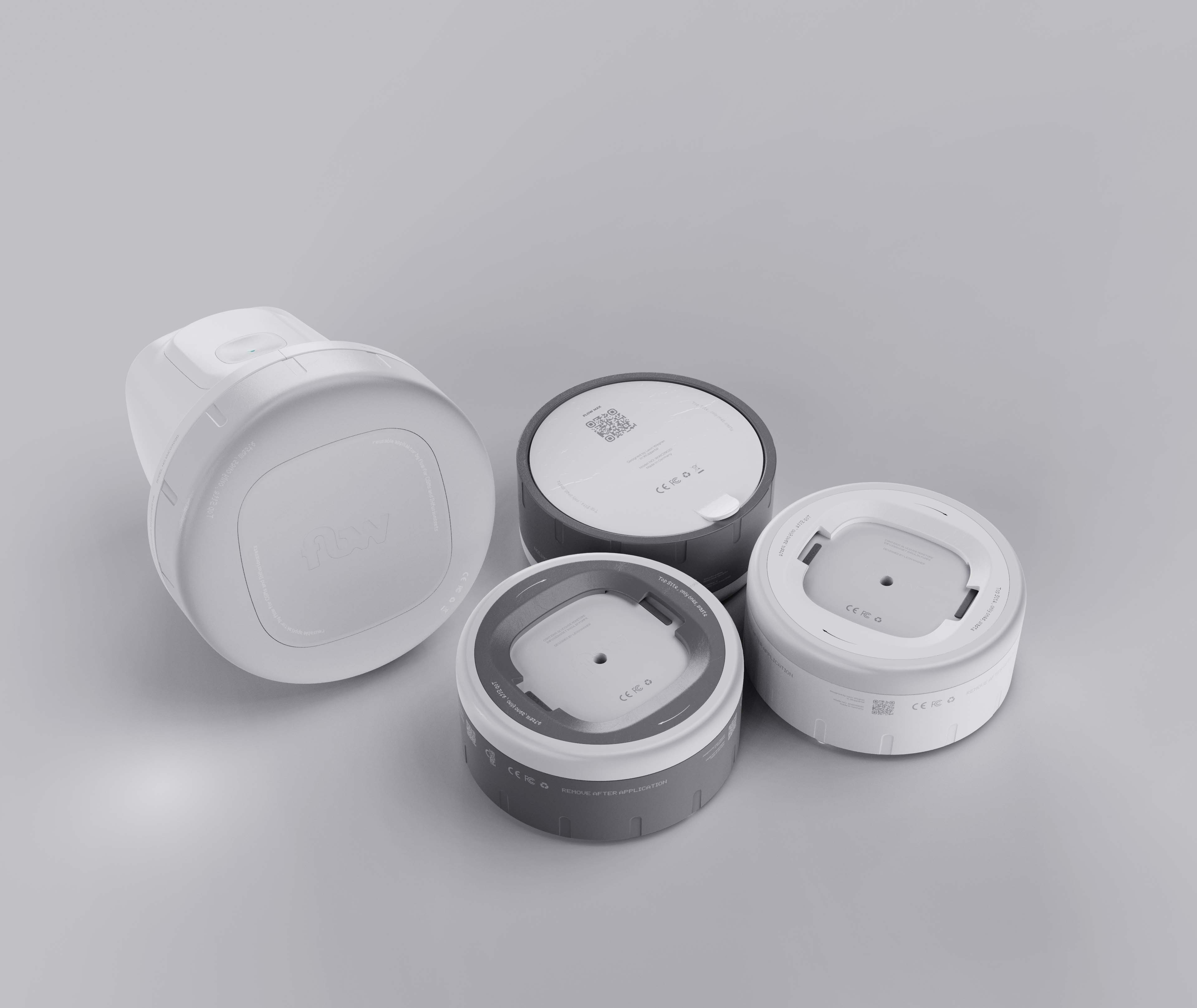
Conventional continuous glucose monitors generate significant waste due to single-use applicators. FLOW solves this by separating sterile, disposable elements (needle, patch) from the mechanical tool, turning the applicator into a durable, reusable device.

This shared architecture allows the glucose sensor and insulin infusion set to use the same insertion tool, cutting redundant hardware
and packing bulk.

Insulin Pump

Rather than another disposable patch pump, this design miniaturizes a traditional reusable insulin pump to pocket size. The key advantage lies in how it loads: the pump accepts standard insulin cartridges straight from ordinary pens. Users skip the messy routine of manually transferring insulin with syringes.

The screenless pump connects directly to the CGM to automate insulin delivery in the background. Tactile buttons allow quick manual dosing, while the dedicated strap keeps the lightweight unit
secure during active Sessions.

A simple swap is all it takes to reload, keeping daily maintenance fast and clean, making insulin pumps far easier to live with.

Smart Therapy on the Move

FLOW max turns automated insulin management into a durable, pocketable companion that cuts hardware redundancy and keeps daily care effortless. By pairing a reusable applicator with a pump that runs on standard pen cartridges, the system reduces luggage bulk and eliminates single use clutter, creating a streamlined, packable travel experience.

More Projects

Selected Work

Discover more case studies and design explorations.

hope you found something interesting

Industrial Designer based in Germany, focusing on hardware, tactile interactions, and purposeful physical products.

GET IN TOUCH

Have an upcoming hardware project, feedback on my work, or want to discuss a potential collaboration? I am always open to new challenges, whether that is a full-time role, freelance work, or simply sharing ideas over a quick virtual coffee. Feel free to drop me a message or connect directly via the links above.

© 2026 Leon Wagner

LEON

WAGNER®

Diabetes
Travel Kit

Traveling with Type 1 Diabetes means constantly juggling supplies and clinical clutter. The Diabetes Travel Kit redesigns this daily routine into a compact ecosystem built for life on the move.

Bachelor Project | 9. Semester
Solidworks, Keyshot, AI (Viscom, Gemini)
6 Months: 3 Research, 1 Concept, 2 Design

Pain Points

Managing insulin dependent diabetes on the move is physically burdensome, stigmatizing, and deeply fragmented.

Current medical gear forces you to turn a public tray table into an exposed, clinical operating room.

Traveling light is never an option. While others pack just a carry on bag, diabetics pack a portable life support system.

Diabetics don’t pack light, they carry a fragile, stigmatizing pharmacy just to stay safe while on the move.

200+ Pages of In-Depth Research

Through field research and user journey mapping, my Bachelor’s thesis distilled over 100 design potentials from daily insulin therapy. Full research paper available upon request.

From Abstract Potentials to Tangible Ideas

Rapid sketching helps me test ideas quickly and get them out of my head. Putting rough thoughts on paper makes it easy to compare directions, discuss options with others, and see what works before moving into CAD.

My design process starts with exploring form languages and curating moodboards to define an aesthetic direction. Once the tone is set, I move into sketching to translate those cues into concrete product concepts. After that, the work becomes a steady back and forth between sketching, rough mockups, and refinement.

Design Is Never an One Shot Process

The first idea is rarely the best one. Exploring different form studies in CAD and evaluating what works is a lengthy journey. Finding the right direction usually means leaving dozens of discarded concepts behind, but that iteration is what makes the final design solid.

Visualization is an essential part of the design story. For this case study, I explored AI tools to generate contextual environments, lifestyle scenes, and short motion clips. The physical product remains strictly CAD built and rendered in KeyShot. Generative tools were used only to build the narrative around the kit.

FLOW mini
Complete and Independent

Blood glucose monitoring

Blood glucose monitoring is the essential first step in every insulin therapy routine. In conventional setups, testing blood sugar takes up to fifteen individual actions, from unpacking sterile lancets and handling loose strips to manual blood application. This fragmented sequence makes testing on the go cumbersome, and prone to error.

FLOW mini integrates lancets and test strips into a 16-measurement internal magazine. Users simply place their finger into the recess for automatic, one-step lancing and blood glucose measurement.

Insulin Pen

The pen deliberately breaks away from clinical syringe aesthetics, taking inspiration from modern consumer technology instead. Its flattened, softly rounded profile improves grip ergonomics and prevents the pen from rolling off flat surfaces.

The high contrast digital display is a central feature. Both high and low blood sugar levels regularly cause blurred vision, turning conventional dose windows into a safety hazard to frequent dosing errors.

Users reload the pen with standard cartridges and needles, avoiding proprietary disposables while maintaining a familiar mechanical workflow.

Streamlined for Daily Life

Everything needed for insulin therapy now lives in one product. Organizing insulin vials, prep wipes, fresh needles, and the automated testing magazine together, FLOW mini cuts out repetitive handling steps. The integrated magazine eliminates the awkward juggling of tiny parts, giving users confidence and comfort on the go.

FLOW max
Smart Therapy

Continuous Glucose Monitoring

Conventional continuous glucose monitors generate significant waste due to single-use applicators. FLOW solves this by separating sterile, disposable elements (needle, patch) from the mechanical tool, turning the applicator into a durable, reusable device.

This shared architecture allows the glucose sensor and insulin infusion set to use the same insertion tool, cutting redundant hardware
and packing bulk.

Insulin Pump

Rather than another disposable patch pump, this design miniaturizes a traditional reusable insulin pump to pocket size. The key advantage lies in how it loads: the pump accepts standard insulin cartridges straight from ordinary pens. Users skip the messy routine of manually transferring insulin with syringes.

The screenless pump connects directly to the CGM to automate insulin delivery in the background. Tactile buttons allow quick manual dosing, while the dedicated strap keeps the lightweight unit secure during active Sessions.

A simple swap is all it takes to reload, keeping daily maintenance fast and clean, making insulin pumps far easier to live with.

Smart Therapy on the Move

FLOW max turns automated insulin management into a durable, pocketable companion that cuts hardware redundancy and keeps daily care effortless. By pairing a reusable applicator with a pump that runs on standard pen cartridges, the system reduces luggage bulk and eliminates single use clutter, creating a streamlined, packable travel experience.

More Projects

Selected Work

Discover more case studies and design explorations.

hope you found something interesting

GET IN TOUCH

Feel free to reach out for new opportunities, project inquiries, or just an informal chat about product design and prototyping.

© 2026 Leon Wagner

LEON

WAGNER®